Designing with Abstract Flair: A Guide to Wedding Card Templates
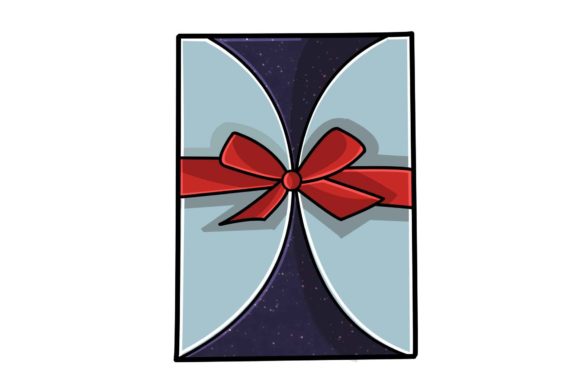
When you are planning a wedding or a major event, the invitation sets the tone for everything that follows. It is the first glimpse your guests get of the style, mood, and personality of your celebration. While traditional designs are lovely, there is a growing trend toward more artistic, contemporary aesthetics. This is where the Invitation or Wedding Card with Abstract design elements truly shine. It moves away from rigid borders and predictable floral arrangements, embracing fluid shapes, modern typography, and creative compositions that feel fresh and personal.
The Visual Language of Abstract Design
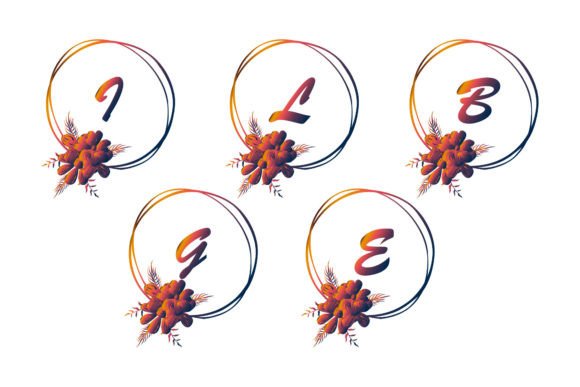
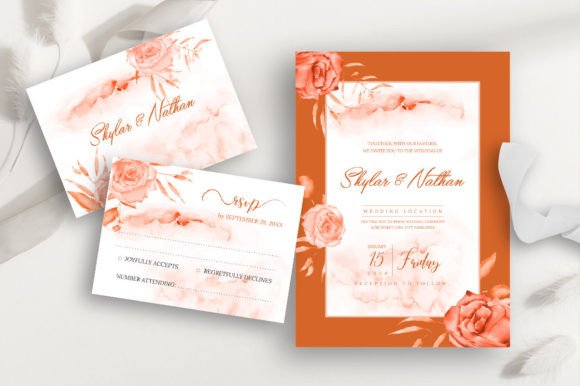
So, what defines this specific design asset? An abstract invitation style typically utilizes geometric shapes, fluid ink strokes, watercolor splashes, or minimalist line art to create visual interest without being overly literal. It balances negative space with bold elements. The personality of this style is confident, artistic, and modern. It appeals to couples who view their wedding not just as a ceremony, but as a curated experience. The overall appeal lies in its versatility; it can be dressed up for a black-tie gala or dressed down for a casual garden party, depending on the color palette you choose.
For designers and entrepreneurs, the real value lies in the format: 1 EPS file. If you are working within the Adobe Suite, using Adobe Illustrator CC, or prefer open-source solutions like Inkscape or Corel Draw, this file type is the industry standard for scalability. Because it is a vector file, you can resize the design from a small save-the-date card to a massive welcome banner without losing a single pixel of quality. This ensures that your brand identity remains consistent across all physical touchpoints.
Practical Applications: Beyond the Paper Invitation
One of the most significant advantages of using a vector-based Invitation or Wedding Card with Abstract file is the sheer breadth of production possibilities. This file is not limited to digital printing on paper stock. It is a powerhouse for physical product creation. If you run a small business or a handmade product line, the applications are endless.
You can take this design and apply it to:
- Apparel: Create custom shirts or robes for the bridal party using heat transfer vinyl (HTV). The clean lines of abstract vectors cut beautifully on vinyl cutters.
- Signage: Transfer the design onto wood signs for the reception venue. Whether it is a welcome sign or a seating chart, the vector format ensures the lettering is crisp when stenciled or printed.
- Drinkware: Mugs and tumblers are popular keepsakes. The abstract elements can wrap around curved surfaces more naturally than rigid rectangular designs.
- Party Decor: Think beyond the invite. You can print matching napkins, cups, and even custom wallpaper for a photo backdrop.
This adaptability makes it a valuable design asset for anyone in the event planning or packaging design space. You are not just buying a card layout; you are acquiring a comprehensive visual toolkit.
Influence on Brand Perception and Readability
In the world of modern typography, how text interacts with imagery is crucial. A well-designed abstract template influences how the information is digested. Good visual hierarchy ensures that the names of the hosts and the date are immediately legible, even amidst artistic flourishes.
For business owners, using a premium font or a high-quality template like this signals professionalism. It tells your clients that you value aesthetics and attention to detail. In editorial design or web design, these abstract motifs can be used as decorative headers or background textures that add depth without distracting from the main content. When used in social media graphics, these designs stop the scroll because they offer something different from the standard corporate templates.
Technical Workflow and Compatibility
Working with EPS files requires a basic understanding of vector editing, but the workflow is straightforward. Since the file is compatible with Adobe Illustrator, Corel Draw, and Inkscape, you have the freedom to choose your software environment.
Here is a practical workflow for customizing this asset:
- Import and Edit: Open the EPS file in your preferred program. You can ungroup elements to move shapes around, change colors to match your specific wedding palette, and edit the text.
- Typography Pairing: While the template comes with a specific style, you might want to experiment with font pairing. If the invitation uses a flowing script font for the names, ensure the details (time and location) are in a clean sans serif font or serif font for maximum readability.
- Export for Print: Once your design is finalized, you can export it as a high-resolution PDF for the printer.
- Export for Production: If you are making signs or shirts, you may need to separate colors or trace specific elements for your cutting machine software.
Evaluating Fit for Your Project
Before committing to a design, consider the personality of the event or brand. Does the abstract style align with the venue? For a modern loft wedding, geometric shapes work perfectly. For a bohemian outdoor event, look for abstract watercolor textures within the file.
Also, consider the commercial font licensing. If you are a crafter selling finished products—like printed mugs or invitations—you generally need to ensure the license covers commercial use. This specific asset is designed for creators, allowing you to generate revenue from your creations without legal grey areas.
Ultimately, an Invitation or Wedding Card with Abstract design is more than just a piece of stationery. It is a versatile, scalable, and professional tool that bridges the gap between digital art and physical reality. Whether you are a bride looking for something unique or a designer building a product line, this vector format provides the flexibility you need to execute a flawless vision.