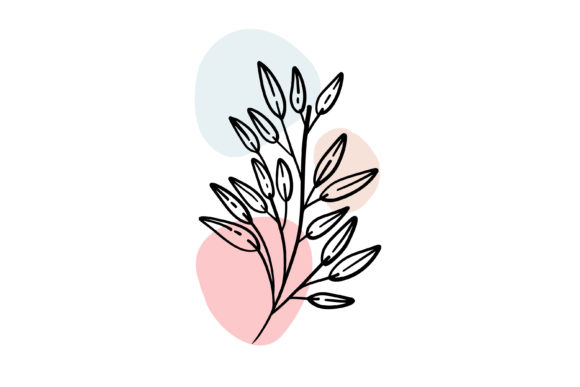
Floral Line Art for Wedding & Anniversary Design
Capturing the delicate beauty of a special occasion often comes down to the smallest details. For designers, marketers, and creative entrepreneurs, having the right visual assets can transform a simple project into something truly memorable. This is where a high-quality vector illustration of a floral line art design becomes an invaluable tool. It’s not just a decorative element; it's a versatile foundation for building elegant, emotionally resonant graphics for weddings, anniversaries, birthdays, and parties.
Understanding the Aesthetic: More Than Just a Drawing
A floral line art design is characterized by its simplicity, grace, and focus on form. Unlike a fully rendered botanical illustration, it uses clean, continuous lines to suggest the shape and structure of flowers, leaves, and vines. This minimalist approach offers a sophisticated and modern feel, avoiding visual clutter while retaining a sense of organic beauty and romance. The personality of such a design is inherently gentle, timeless, and versatile. It can evoke a vintage charm or a contemporary elegance, depending on the context and accompanying typography.
The real strength of this style lies in its adaptability. It acts as a perfect complement to a wide range of display fonts and script fonts, enhancing rather than competing with the primary message. When used as a background or border, it frames text and photographs beautifully, adding a layer of texture and sophistication. This makes it a fundamental piece of any designer's toolkit for creating premium design assets that clients and audiences love.
Practical Applications Across Creative Projects
The utility of a floral line art vector extends far beyond a single use case. Its applications span numerous industries and project types, making it a smart investment for professionals and hobbyists alike.
For Brand Identity and Marketing
Small business owners in the wedding industry—florists, event planners, photographers, and stationers—can leverage this style to build a cohesive brand identity. Imagine a wedding photographer's logo featuring a delicate line art floral wreath encircling their name in a elegant serif font. This immediately communicates a sense of artistry and romance. The same asset can be adapted for social media graphics, watermarks on proofs, and the header of a pricing brochure, ensuring visual consistency across all touchpoints.
For marketers and publishers, these illustrations are perfect for creating engaging content. They can be used as subtle backgrounds for blog post graphics about party planning, as decorative elements in email newsletters for anniversary sales, or as standout features on digital invitations. The clean lines ensure they scale perfectly for both web design and high-resolution print, from a website banner to a physical flyer.
For Personal and Commercial Crafts
Crafters and hobbyists find endless value in these assets. The provided .eps file, which is fully editable in vector software like Adobe Illustrator, allows for complete customization. You can change colors to match a specific wedding palette, remove individual stems, or scale elements without any loss of quality. This is crucial for creating custom projects like:
- Print-on-demand products: Design unique mugs, tote bags, or art prints for an Etsy shop.
- Stationery and party supplies: Create bespoke wedding invitations, save-the-dates, table numbers, and thank-you cards.
- DIY decor: Print and cut out the designs for cake toppers, favor tags, or framed table centerpieces.
The inclusion of a .png file with a transparent background is a game-changer for quick projects. It allows for seamless layering in any design software, from professional programs like Adobe Illustrator and Photoshop to user-friendly tools like Canva.
Making Smart Design Choices with Your Assets
Integrating a new design element effectively requires a thoughtful approach. Here’s how to ensure this floral line art works harmoniously within your projects.
Evaluating Project Fit: Consider the overall tone. This style excels in projects aiming for elegance, romance, or a soft, natural aesthetic. It might be less suitable for corporate or highly technical contexts where a sans serif font and geometric shapes dominate. Always ask if the asset supports the story you're trying to tell.
Mastering Font Pairings: The floral lines pair exceptionally well with specific typography. A flowing script font for a couple's names creates a classic, romantic look. Pairing it with a clean, modern serif font for body text maintains readability while keeping the overall feel sophisticated. For a more contemporary vibe, a light-weight sans serif font can provide a beautiful contrast to the organic lines. The key is balance—let the illustration enhance the typography, not overshadow it.
Ensuring Readability and Hierarchy: When using the design as a background, pay close attention to visual hierarchy. Ensure there is enough contrast between your text and the illustration. You might need to reduce the opacity of the line art, use a solid color overlay, or position text in a less busy area of the design. The goal is to create a beautiful composition where the message is instantly clear.
Leveraging File Formats: Understand the strengths of each provided file. The .eps vector file is your powerhouse for editing and scaling to any size. The .png is ideal for quick digital use and layering. The .jpg with a white background is perfect for mockups, presentations, or direct use in documents where a transparent background isn't needed. This triple-format delivery ensures you're equipped for virtually any workflow.
Ultimately, a well-crafted floral line art design is more than just a pretty picture. It's a strategic design asset that empowers you to produce professional, cohesive, and emotionally compelling work. Whether you're building a brand identity, crafting a personal invitation, or designing a product for sale, it provides the foundational elegance needed to make your projects stand out. By understanding its characteristics and applying it thoughtfully, you can consistently create visuals that resonate deeply with your audience.